Looks & Colors
British Shorthairs are built like little teddy bears: a round head, round copper or gold eyes, full cheeks, a short broad nose, a deep chest, short thick legs and a short, thick tail with a rounded tip. Adult males often grow big 'jowls' (extra-chunky cheeks), especially if they're not neutered.
That coat
The coat is short but extremely dense, with a thick undercoat that makes it stand away from the body. Run your hand against the fur and it should feel plush and springy, a bit like a firm carpet, rather than lying flat. The density means they shed a lot in spring and fall (see Grooming & Shedding).
Colors and patterns
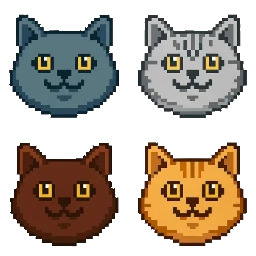
The blue-grey 'British Blue' is the famous one, but the breed comes in a huge range of colors and patterns:
- Solid colors: blue, lilac, black, white, cream, red, chocolate, cinnamon and fawn.
- Patterns: tabby, tortoiseshell, bicolor (a color plus white) and colorpoint (darker face, ears, legs and tail, with blue eyes).
- Silvers and goldens: shaded and tipped coats with a pale undercoat. These cats often have green eyes.
Eye color changes
All kittens are born with blue eyes. In most British Shorthairs the eyes shift through green-ish tones to copper or gold, and it can take a year or two for the final color to settle, so don't panic over a six-month-old with 'muddy' eyes. Colorpoints keep their blue eyes.
Longhaired kittens
Because of the breed's history (see History & Origin), some British Shorthairs carry a hidden longhair gene, and two carriers can produce a fluffy kitten. That's a British Longhair: the same breed type in a long coat, recognized as its own breed by several registries.
Is my cat a British Shorthair?
Honestly, the only way to know for sure is pedigree papers. Plenty of grey cats are round and gorgeous without being British Shorthairs. 'British Shorthair type' or 'BSH mix' usually means a cat that has some of the look. That cat is no less wonderful, just not a pedigree. A cobby body, a very round head, a dense springy coat and copper eyes are all good signs.